What Is a Defibrillator and How Does It Save Lives?

In emergency cardiac situations, every second matters. A sudden cardiac arrest can happen without warning, and immediate medical intervention is often the difference between life and death. One of the most important life-saving medical devices used in these situations is a defibrillator.
Defibrillators are now considered essential equipment in hospitals, ambulances, emergency rooms, clinics, and healthcare facilities worldwide. As healthcare technology continues to advance, modern defibrillators have become faster, safer, and more effective in restoring normal heart rhythm during critical emergencies.
Understanding a Defibrillator
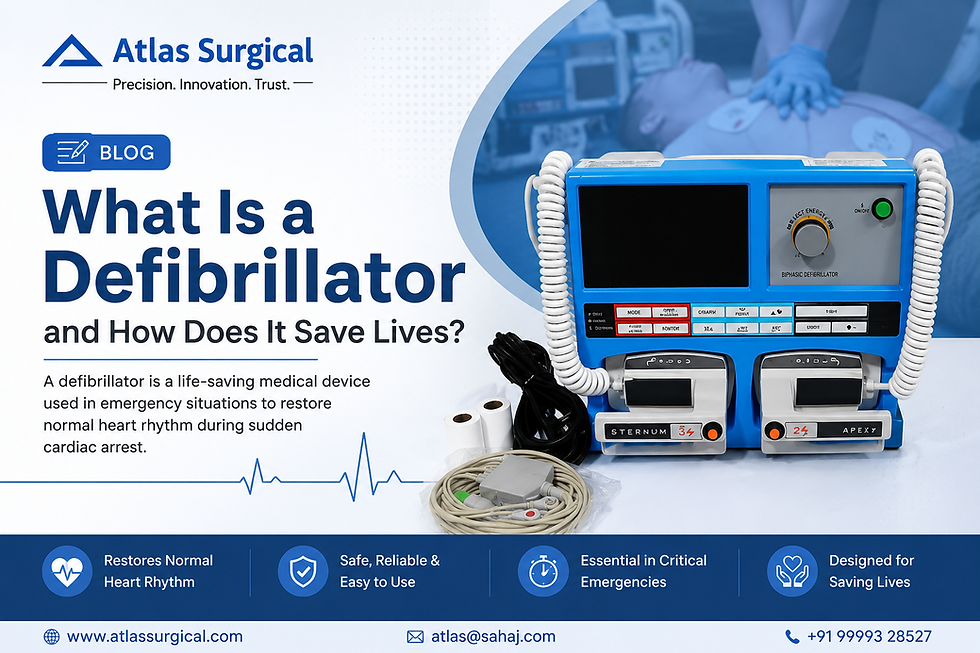
A defibrillator is a medical device designed to deliver an electrical shock to the heart when a patient experiences dangerous or abnormal heart rhythms, especially ventricular fibrillation or sudden cardiac arrest. During cardiac arrest, the heart stops pumping blood effectively, preventing oxygen from reaching vital organs such as the brain and lungs.
The primary purpose of a defibrillator is to restore the heart’s normal rhythm by sending controlled electrical energy through the chest. This shock can stop irregular electrical activity in the heart and allow the heart’s natural rhythm to restart properly.
Without immediate treatment, sudden cardiac arrest can become fatal within minutes. This is why defibrillators play a critical role in emergency medical care.
How Does a Defibrillator Work?
The human heart relies on electrical impulses to maintain a regular heartbeat. When these electrical signals become chaotic or unstable, the heart may begin beating abnormally or stop functioning efficiently altogether.
A defibrillator detects these abnormal rhythms and delivers a carefully controlled electrical shock. The shock temporarily stops the irregular heartbeat, giving the heart a chance to reset and return to a normal rhythm.
Modern defibrillators are designed with advanced monitoring systems that help healthcare professionals assess the patient’s heart condition quickly. Many systems also include ECG monitoring, voice prompts, and automated energy control for improved safety and efficiency.
In critical situations, fast defibrillation significantly increases survival chances. Medical studies have consistently shown that early defibrillation improves outcomes for cardiac arrest patients.
Types of Defibrillators
There are several types of defibrillators used in healthcare settings depending on the level of care required.
Automated External Defibrillators (AEDs)
AEDs are portable devices commonly found in public spaces, offices, airports, schools, and sports facilities. These devices are designed for quick use, even by individuals without advanced medical training. AEDs provide voice instructions and automatically analyze heart rhythms before delivering a shock if necessary.
Manual Defibrillators
Manual defibrillators are primarily used by trained healthcare professionals in hospitals and emergency medical services. These systems allow doctors and paramedics to control the energy levels and monitor the patient’s heart rhythm in real time.
Implantable Cardioverter Defibrillators (ICDs)
ICDs are small devices surgically implanted inside patients who are at high risk of life-threatening arrhythmias. These devices continuously monitor heart rhythms and automatically deliver shocks when dangerous abnormalities occur.
Biphasic Defibrillators
Biphasic defibrillators are widely used in modern healthcare because they require lower energy levels while providing effective treatment. They are known for reducing tissue damage and improving patient safety during defibrillation procedures.
Importance of Defibrillators in Emergency Care
Defibrillators have become an essential part of modern emergency response systems. Cardiac arrest can occur in hospitals, homes, workplaces, or public environments, and immediate access to a defibrillator can dramatically improve survival rates.
Healthcare professionals rely on defibrillators in emergency rooms, intensive care units, operating theatres, and ambulances to stabilize patients during life-threatening cardiac events.
In many countries, governments and healthcare organizations are encouraging the installation of AED systems in public locations to improve emergency preparedness and public safety.
Features of Modern Defibrillators
Today’s defibrillators are equipped with advanced features that improve performance and patient care. These include:
ECG monitoring systems
User-friendly touch controls
Portable and compact designs
Automated energy adjustment
Battery backup systems
Data recording and event tracking
Fast charging technology
These advancements help healthcare providers deliver faster and more accurate treatment during emergencies.
Choosing a Reliable Defibrillator Manufacturer
Quality and reliability are extremely important when selecting emergency medical equipment. Hospitals and distributors often look for manufacturers that comply with international quality standards and provide durable, clinically trusted systems.
Companies like Atlas Surgical have contributed to the healthcare industry by manufacturing and supplying high-quality medical devices for hospitals, healthcare providers, and distributors globally. With decades of experience in medical manufacturing, trusted companies help ensure healthcare facilities receive dependable emergency equipment that meets international standards.
The Future of Defibrillator Technology
Medical technology continues to evolve rapidly, and defibrillators are becoming more intelligent and efficient. Future innovations are expected to include AI-assisted monitoring, wireless connectivity, cloud-based patient data management, and enhanced portability.
As healthcare systems focus more on emergency preparedness and patient safety, defibrillators will remain one of the most important devices in saving lives during cardiac emergencies.
Conclusion
Defibrillators are powerful life-saving medical devices that play a crucial role in treating sudden cardiac arrest and dangerous heart rhythm disorders. Their ability to restore normal heart function within seconds makes them indispensable in hospitals, ambulances, clinics, and public emergency response systems.
With advancements in technology and growing awareness about cardiac emergencies, access to reliable defibrillation equipment is becoming more important than ever. Investing in quality emergency medical devices helps healthcare providers improve patient outcomes and strengthen emergency care capabilities worldwide.


Comments